Is storm damage in Kissimmee always hurricane damage?
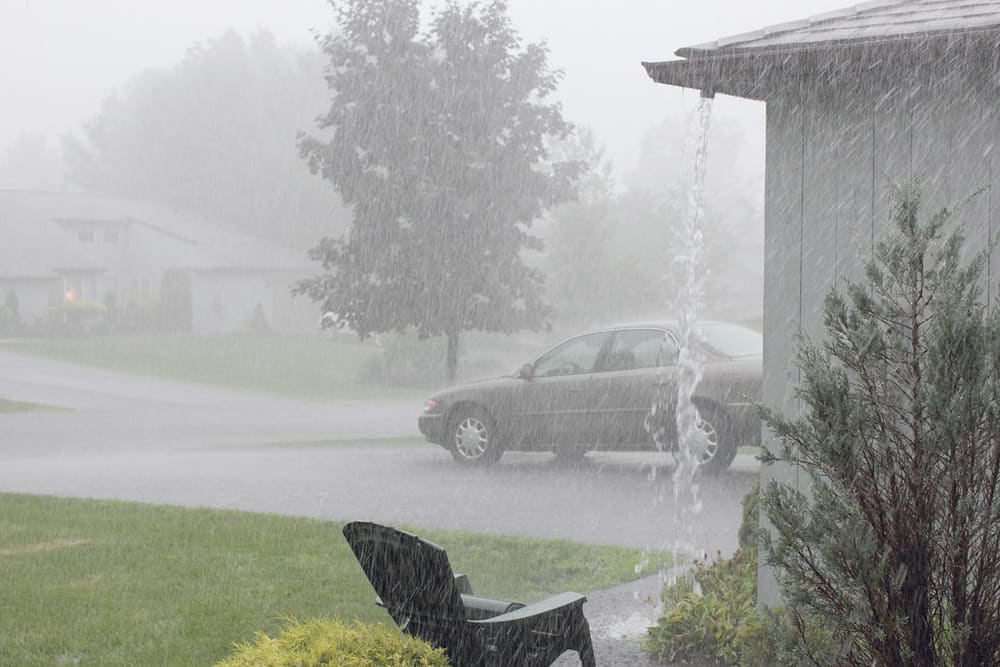
No. Many repairs follow ordinary summer thunderstorms, gust fronts, and wind-driven rain. Hurricane season raises the risk, but smaller storms can expose the same weak details.
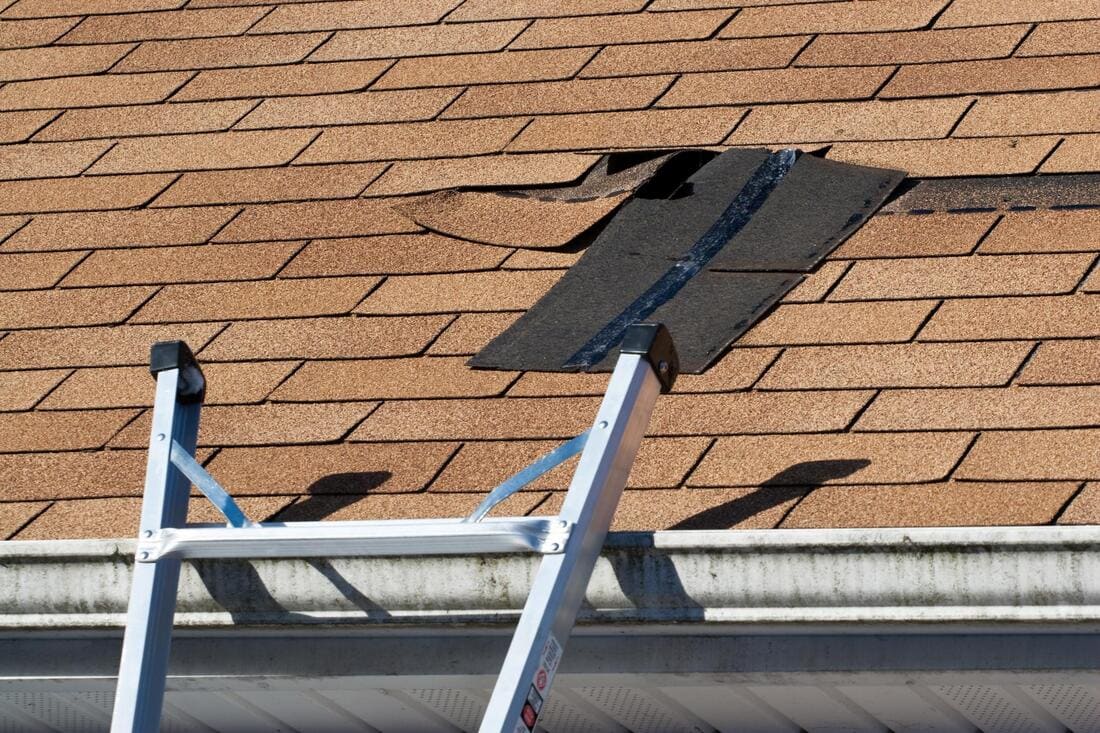
Kissimmee storm damage is usually about wind, fast rain, debris, and repeated thunderstorm exposure rather than one neat event. Tropical bands can lift shingle edges, crack ridge tile, pull fascia loose, and drive water through details that were quiet the week before. Hail can happen, but the more common Central Florida call is wind-driven rain or a storm opening that needs documentation.
The assigned contractor can inspect homeowner-reported damage, photograph visible conditions, prepare an itemized repair or replacement scope, and coordinate a site meeting when the homeowner requests it. Coverage decisions remain with the insurer, and this site does not adjust claims or promise outcomes.
Florida Statutes 489.147 restricts contractor solicitation practices tied to roof inspections, referrals, and property-insurance work. The safe path is homeowner-initiated scheduling, factual photo documentation, and an itemized scope that stays inside roofing work. Avoid any storm pitch that sounds like a shortcut around policy terms or claim responsibilities.
Kissimmee Roof Pros routes requests only after a homeowner calls or submits the form. That keeps the conversation centered on the roof condition, safety, scheduling, and written pricing rather than a door-to-door storm script.
Vacation-rental owners often need quick facts: is the home safe for the next guest, does the roof need a temporary dry-in, and can the permanent repair be scheduled between turnovers. The first visit should document the immediate risk and identify any roof area that should not wait for a normal calendar slot.
If a property manager is handling access, provide gate codes, parking instructions, guest windows, HOA contact details if relevant, and interior photos from cleaners or guests. The contractor still needs safe roof access before final pricing is confirmed.
No. Many repairs follow ordinary summer thunderstorms, gust fronts, and wind-driven rain. Hurricane season raises the risk, but smaller storms can expose the same weak details.
The assigned contractor may meet on site when the homeowner requests it and scheduling allows. The contractor documents observed roof conditions; the insurer decides coverage.
Photograph ceiling stains, wet flooring, fallen shingles or tile pieces on the ground, damaged gutters, and the date of the storm. Stay off the roof, especially when it is wet.
Open roof areas should be stabilized as soon as conditions are safe. A temporary dry-in reduces interior damage while the permanent repair or replacement scope is prepared.
Kissimmee Roof Pros
(321) 321-1909Storm documentation should describe observed roof conditions and never promise a policy result.